Coworking as a Fast Track to a Prestigious Address: How Prague’s Office Market Is Evolving
The office space market in Prague is undergoing significant transformation. Tenant demands are shifting, and companies are increasingly seeking flexibility—fueling a strong rise in the popularity of coworking centers. At the same time, the traditional “direct lease” model—where a company rents an entire space for itself with a focus on long-term stability—remains a core part of the market. So how is the market changing, how are tenant expectations evolving, and how are major landlords responding? Pavel Kadera, an asset management expert at Českomoravská Nemovitostní, shares his perspective and data-driven insights.
Coworking Is on the Rise—But Traditional Offices Are Changing Too
The Prague office market has shown long-term stability, reflected in a low vacancy rate of just 7% (Cushman & Wakefield, Q1 2025)—one of the lowest in Central Europe. This is due to consistent demand and a slow pace of new developments. Only 8,700 m² of new office space was completed in Q1 2025, and the total new supply forecast for the entire year is just 26,600 m² (Cushman & Wakefield, Q1 2025). Stricter financing conditions and high interest rates are slowing speculative development, which may further increase pressure on existing office stock.
“Low vacancy and stable demand point to the robustness of Prague’s office market, which is important not only for investors but also for tenants,” says Pavel Kadera. “Large corporate tenants favor long-term leases that provide stability and allow for effective planning of human resources and operating costs. That’s exactly what the traditional direct lease model offers.”
Still, long-term lease contracts don’t mean office spaces are staying the same. A decline in on-site staff is reshaping workspace priorities, and companies are increasingly investing in shared employee amenities.
“Many large companies have downsized their office space by 10–30% post-pandemic, creating opportunities to optimize existing capacity. Today, businesses are more likely to invest in high-quality common areas, relaxation zones, or game rooms than in expanding desk space. Employees are willing to accept smaller personal work areas in exchange for better communal amenities that support wellbeing and community,” adds Kadera from Českomoravská Nemovitostní.
Coworking vs. Direct Lease: Landlords Must Diversify
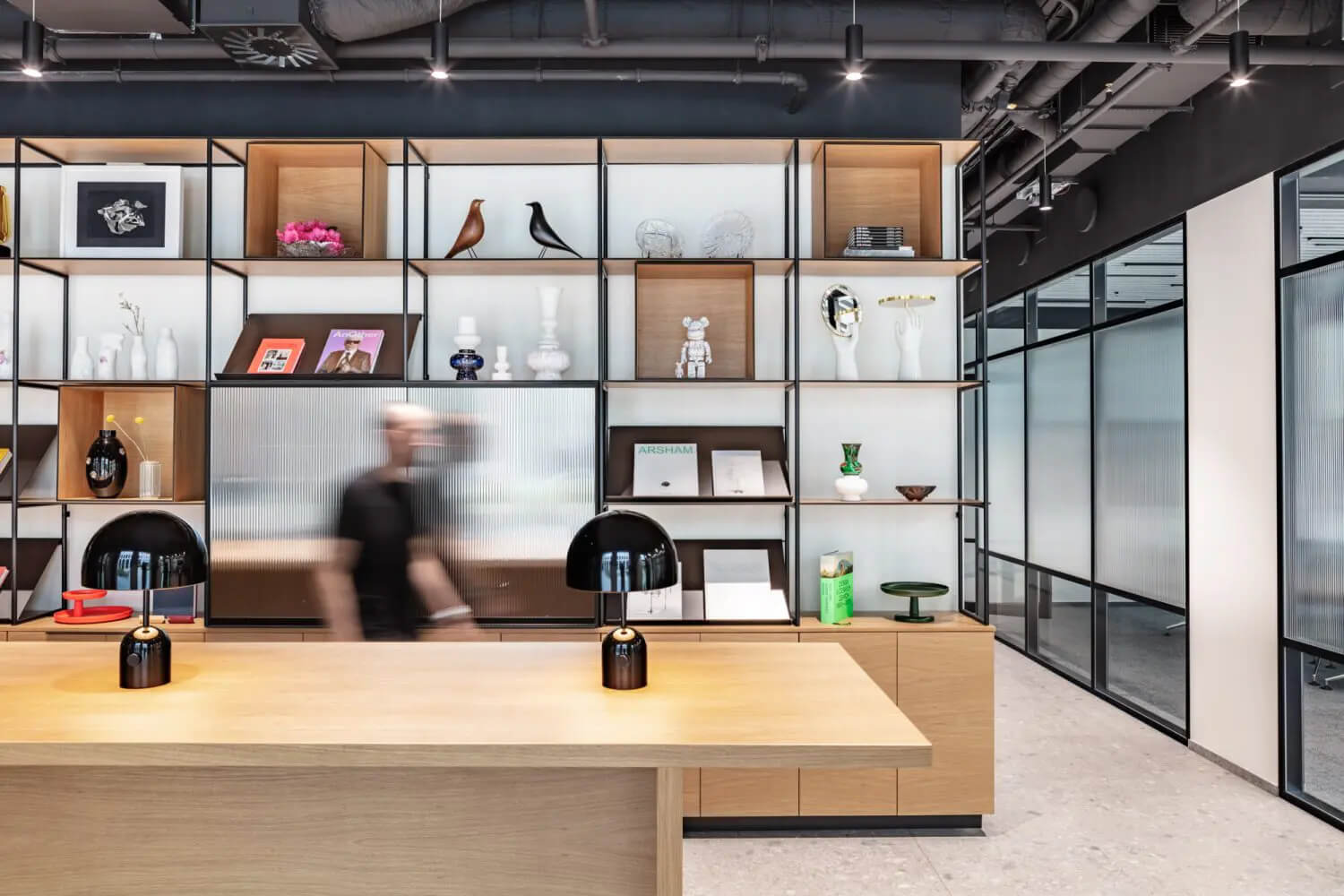
Flexible offices are gaining traction and now account for approximately 3.4% of Prague’s total office supply, or about 136,000 m² (Cushman & Wakefield, Q1 2025). Major operators like Scott.Weber Workspace and WorkLounge offer spaces that combine premium design, a sense of community, and flexible terms. These are especially popular with freelancers, startups, and smaller firms looking for fast adaptability. As a result, landlords increasingly face a decision: lease to a coworking provider or to a single corporate tenant?
“For major landlords, it’s crucial to diversify portfolios by combining traditional leases with flexible spaces. This mix enables responsiveness to various tenant needs while minimizing the risks of relying on a single client type,” explains Kadera. “Coworking spaces are ideal for smaller companies that want to reduce upfront costs and grow flexibly. For a startup, it’s essentially outsourced office management—offering immediate occupancy in a prestigious and well-equipped location without heavy investment in time or money.”
Offices Still Beat Home Office—Coworking May Reach Up to 20% of the Market
The pandemic has certainly accelerated the shift to hybrid work models. At minimum, a mix of office and home work has become the norm. However, data shows that the share of remote work in Prague remains lower than in Western European cities. Demand for office space in the Czech capital remains stable.
“A mix of traditional and flexible offices will persist. I don’t expect the pendulum to swing heavily or permanently toward coworking,” predicts Kadera. “I estimate the ratio will settle at around 80% traditional office space and 20% coworking or hybrid solutions. That balance reflects tenant demand, the need for portfolio diversification among landlords, and also banks’ expectations for lease stability. Large corporate tenants still need fully serviced offices, so the right solution depends on the maturity and specific needs of each company.”